
Economy, Trade & Statecraft
Cheque-like negotiable instrument (Adesha)
c. 321-185 BCEMauryan economyCommercial practicePan-Indian / unspecified
321 BCE
The 'adesha', an order directing a banker to pay a sum to a third person, resembling a cheque.
- Dated
- 321–185 BCE
- As scholars put it
- c. 321-185 BCE
- Originator
- Mauryan economy
- Source text
- Commercial practice
- Region
- Pan-Indian / unspecified
- Discipline
- Economy, Trade & Statecraft
- Evidence
- Documented
- Confidence
- Medium
- Verification
- Reference-cited
Meanwhile in the West
The modern cheque developed separately and later.
Fair to say
An early analogue, not a direct ancestor of the modern cheque.
Path to modern innovation
Negotiable instruments underpin modern banking.
 321 BCECheque-like negotiable instrument (Adesha)
Builds on
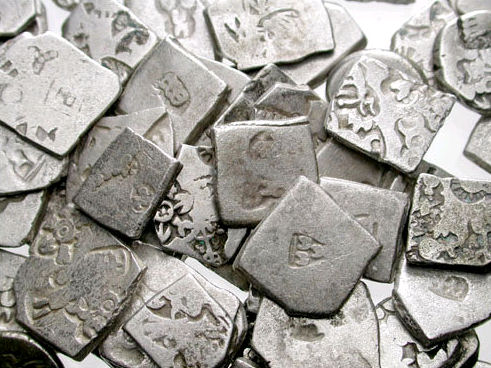 600 BCE
Transmission
Independent early instrument.
Primary sources
- 3Kautilya ArthasastraUnreviewed
- 4Arthasastra Of Kautilya And The Canakya SutraUnreviewed
References
- 1Histories of banking in India
Further reading
Corrections and additional sources: edit IND-124 on GitHub.