
Art, Sculpture & Rock Art
Mauryan lustrous stone polish
c. 3rd c. BCEMauryan craftsmenAshokan pillars; Barabar cavesBihar
300 BCE
A distinctive high-gloss polish applied to hard stone pillars and cave walls.
- Dated
- 300–201 BCE
- As scholars put it
- c. 3rd c. BCE
- Originator
- Mauryan craftsmen
- Source text
- Ashokan pillars; Barabar caves
- Region
- Bihar
- Discipline
- Art, Sculpture & Rock Art
- Evidence
- Documented
- Confidence
- Medium
- Verification
- Reference-cited
Meanwhile in the West
A finishing quality rediscovered/admired by later craftsmen.
Fair to say
Exactly how the polish was achieved remains uncertain.
Path to modern innovation
A benchmark in ancient stone finishing.
Transmission
A hallmark of Mauryan imperial art.
Museum objects
 Fragment of a Ring Stone with Goddesses and Palm Trees
 Disc stone
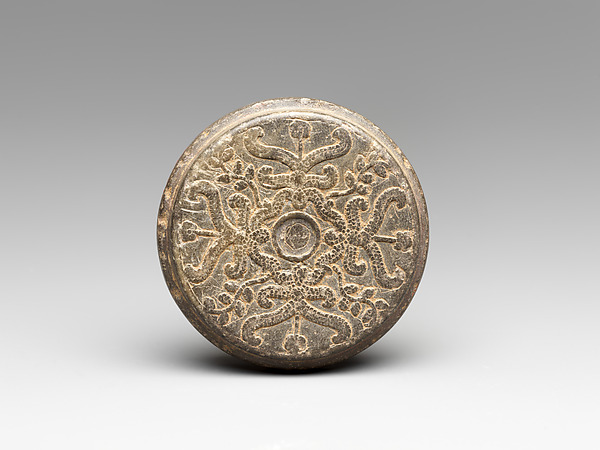 Disk Stone with a Four-Part Design of Palmettes and Branches
References
- 1Studies of Mauryan art
Further reading
Corrections and additional sources: edit IND-186 on GitHub.